
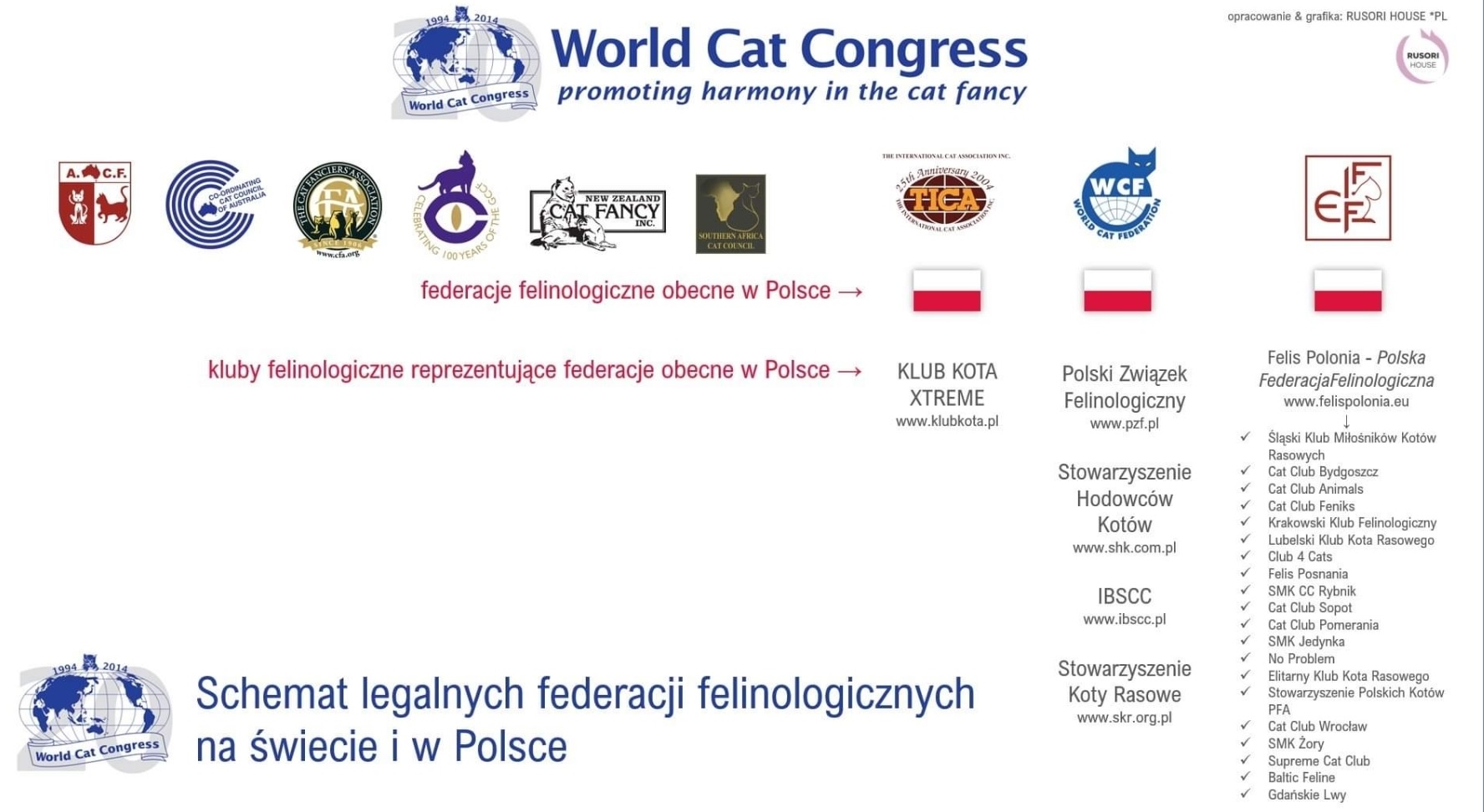
Only the pedigree issued by the club affiliated to WCC [World Cat Congress]: WCF,
FIFe - Felis Polonia [FPL] and Tica proves the cat's pedigree.
Only the pedigree issued by the club affiliated to WCC [World Cat Congress]: WCF, FIFe - Felis Polonia [FPL] and Tica proves the cat's pedigree.
Legal pedigrees contain documented cat descent five generations back.
The kept pedigree books allow you to trace the cat's origin even for several dozen years.
This guarantees the purity of the breed and the fact that a few generations before the cat has not been crossed with a representative of another breed.
Legal pedigrees contain documented cat descent five generations back. The kept pedigree books allow you to trace the cat's origin even for several dozen years. This guarantees the purity of the breed and the fact that a few generations before the cat has not been crossed with a representative of another breed.
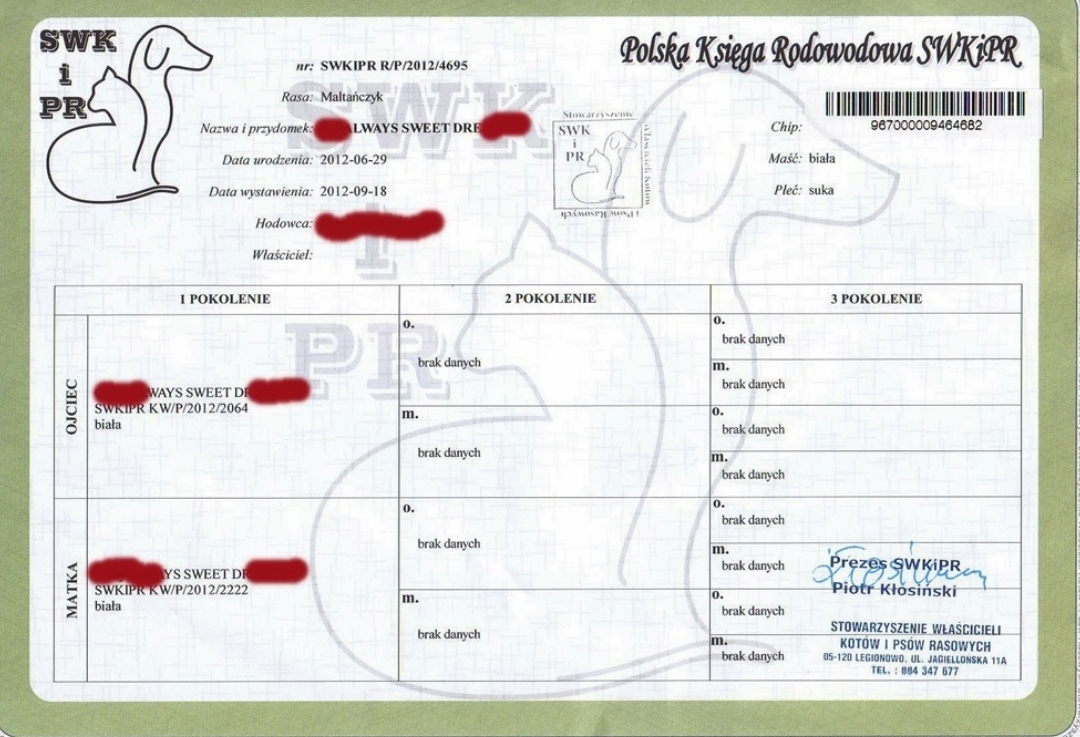
In 2012, the Polish legislator, in order to curb the illegal trade in animals, tightened the regulations in this area.
Unfortunately, the act turned out to be defective in some points and a legal loophole was created, allowing practically everyone to legally establish an association and to issue insignificant internal documents called by them pedigrees.
Often these "pedigrees" date back to 2012, the earlier origin of the cat is empty spaces.
In 2012, the Polish legislator, in order to curb the illegal trade in animals, tightened the regulations in this area. Unfortunately, the act turned out to be defective in some points and a legal loophole was created, allowing practically everyone to legally establish an association and to issue insignificant internal documents called by them pedigrees. Often these "pedigrees" date back to 2012, the earlier origin of the cat is empty spaces.
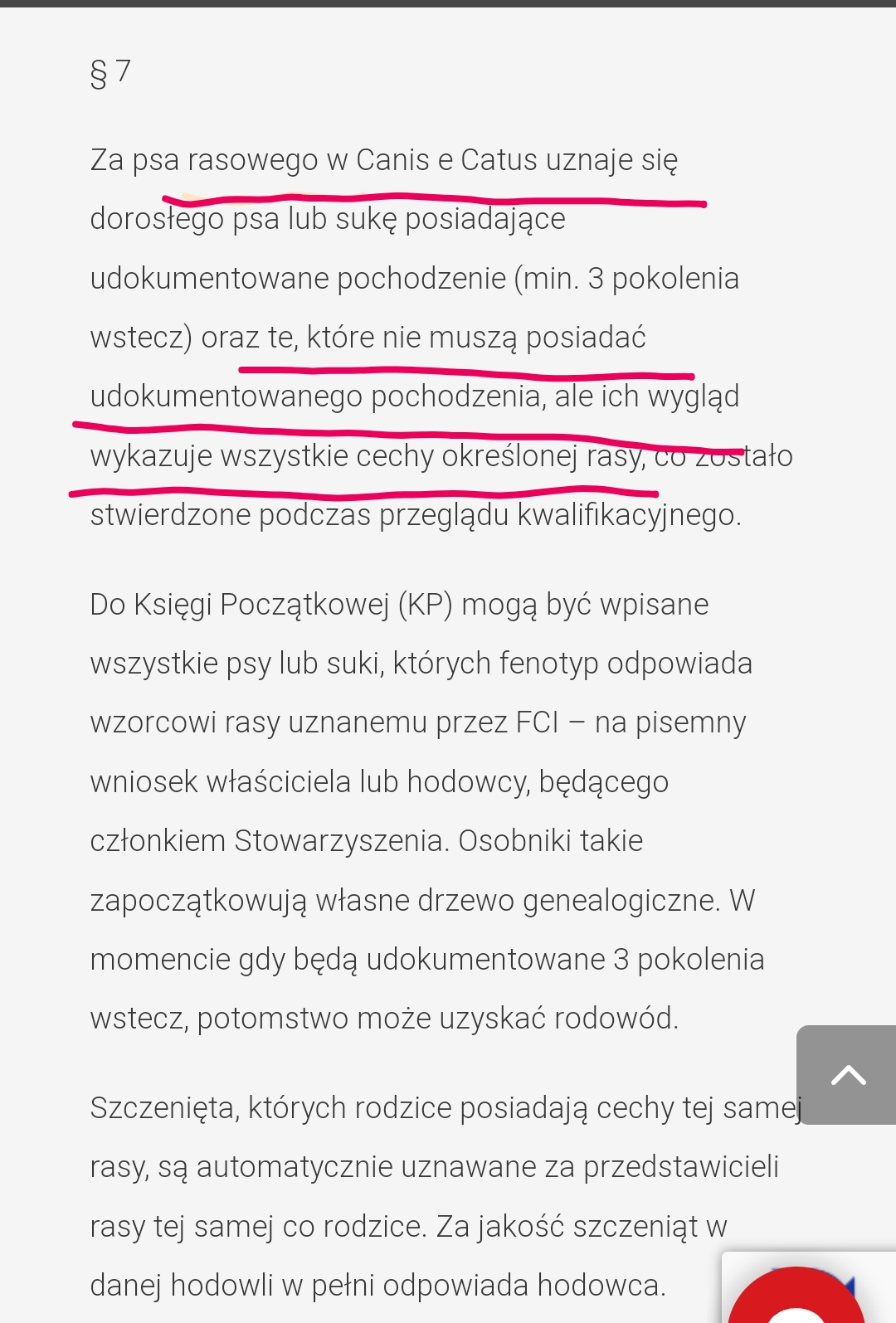
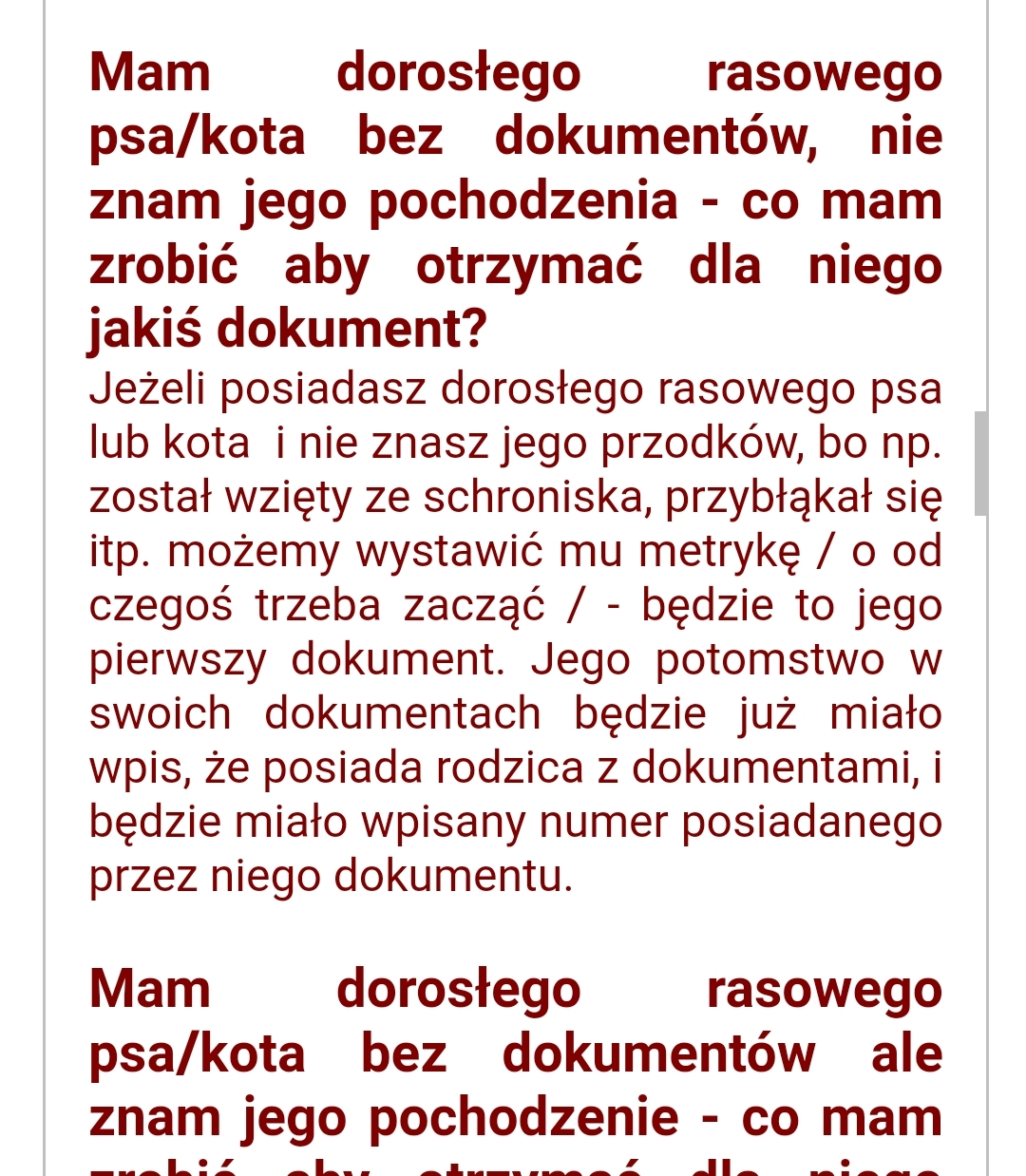
A whole lot of "feline businessmen" openly advertise on their websites that they will issue a "legal" document in return for a specific amount.
Their regulations also define the method of qualifying an animal as purebred.
Unfortunately, there will always be people for whom profit is of paramount importance.
Nobody in such associations protects the welfare of kittens, limits the number of litters, and does not order genetic tests.
They are not assessed by specialists - international felinological judges and often the cat's standard deviates significantly from the standard.
This results in a whole lot of available kittens, which differed greatly in appearance and probably also in character from the breed.
A whole lot of "feline businessmen" openly advertise on their websites that they will issue a "legal" document in return for a specific amount. Their regulations also define the method of qualifying an animal as purebred. Unfortunately, there will always be people for whom profit is of paramount importance. Nobody in such associations protects the welfare of kittens, limits the number of litters, and does not order genetic tests. They are not assessed by specialists - international felinological judges and often the cat's standard deviates significantly from the standard. This results in a whole lot of available kittens, which differed greatly in appearance and probably also in character from the breed.
|
|
|
When deciding to acquire a feline family member for several years, it is worth making an informed decision and be sure that we will not have to deal with health and behavioral problems.
A little kitten is always nice, but after a year it may turn out that we only bought a cat that only resembles a Ragdoll ...
When deciding to acquire a feline family member for several years, it is worth making an informed decision and be sure that we will not have to deal with health and behavioral problems. A little kitten is always nice, but after a year it may turn out that we only bought a cat that only resembles a Ragdoll ...